

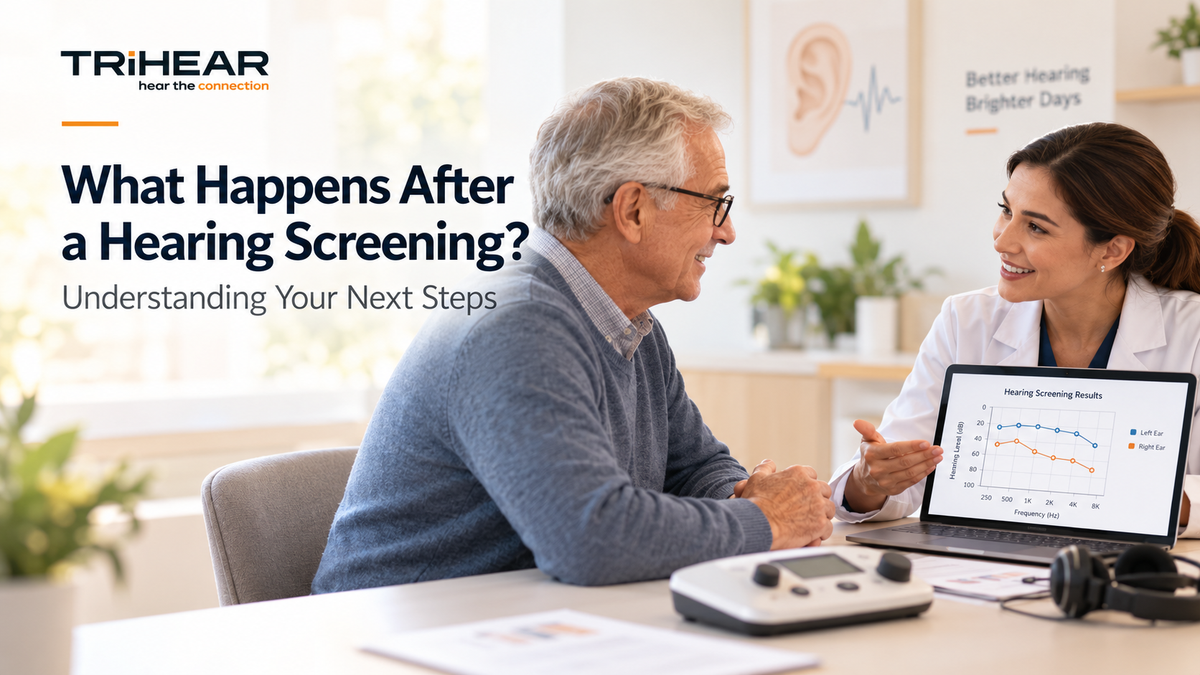
A hearing screening can be an important first step toward understanding your hearing health.
Perhaps you attended a community hearing event, participated in a screening at a senior center, or decided to check your hearing after noticing that everyday conversations were becoming harder to follow.
The screening is complete. You have received your results.
Now what?
For many people, the next step may not be immediately obvious. Does the result mean you need hearing aids? Should you arrange another test? What if you passed the screening but still struggle to hear conversations in noisy places?
Understanding what a hearing screening can—and cannot—tell you is the starting point for making an informed decision.
1. A Hearing Screening Is a Starting Point, Not a Diagnosis
A hearing screening is designed to identify whether someone may need further hearing evaluation.
It provides an initial indication of hearing health but does not offer the same detailed information as a comprehensive hearing assessment.
Depending on the screening method, the results may indicate that you passed or that further evaluation is recommended.
If further evaluation is recommended, an audiologist can conduct more detailed testing to better understand your hearing. Follow-up recommendations may include education, comprehensive audiologic assessment or medical evaluation, depending on the findings.
Importantly, a screening result does not automatically mean that you need hearing aids.
It means you have gained information that can help guide your next step.
2. Understanding Your Screening Results
After a screening, there are two common situations.
If your results suggest further evaluation
Arrange a follow-up appointment with an audiologist or another appropriate hearing health professional.
A comprehensive hearing assessment can provide more detailed information about your hearing, including how well you detect different sounds and understand speech.
An audiologist can help identify the type and degree of hearing loss, when present, and discuss appropriate next steps.
If you passed but still experience listening difficulties
Do not automatically dismiss what you notice in everyday life.
You might follow a quiet conversation comfortably but struggle to understand dialogue on television or keep up with several people speaking at once.
If these difficulties continue, discussing them with a hearing professional can still be worthwhile. A screening is not a substitute for a comprehensive evaluation.
Your screening result and your everyday listening experience both matter.

3. Pay Attention to Everyday Listening Challenges
Hearing health is not only about the results of a test. It is also about how well you can participate in the conversations and activities that matter to you.
Before your next appointment, consider where listening has become more difficult.
You may notice that you frequently turn up the television, ask family members to repeat themselves, struggle to follow a speaker across a room or find group conversations tiring.
These observations are worth sharing with an audiologist.
You do not need to understand every technical term before seeking advice. Describing the situations where you have difficulty can be a useful starting point.
4. Exploring Different Types of Hearing Support
Once you have a better understanding of your hearing needs, the next question is which type of support may be appropriate.
Different devices serve different purposes, and they are not interchangeable.
Remote Microphones
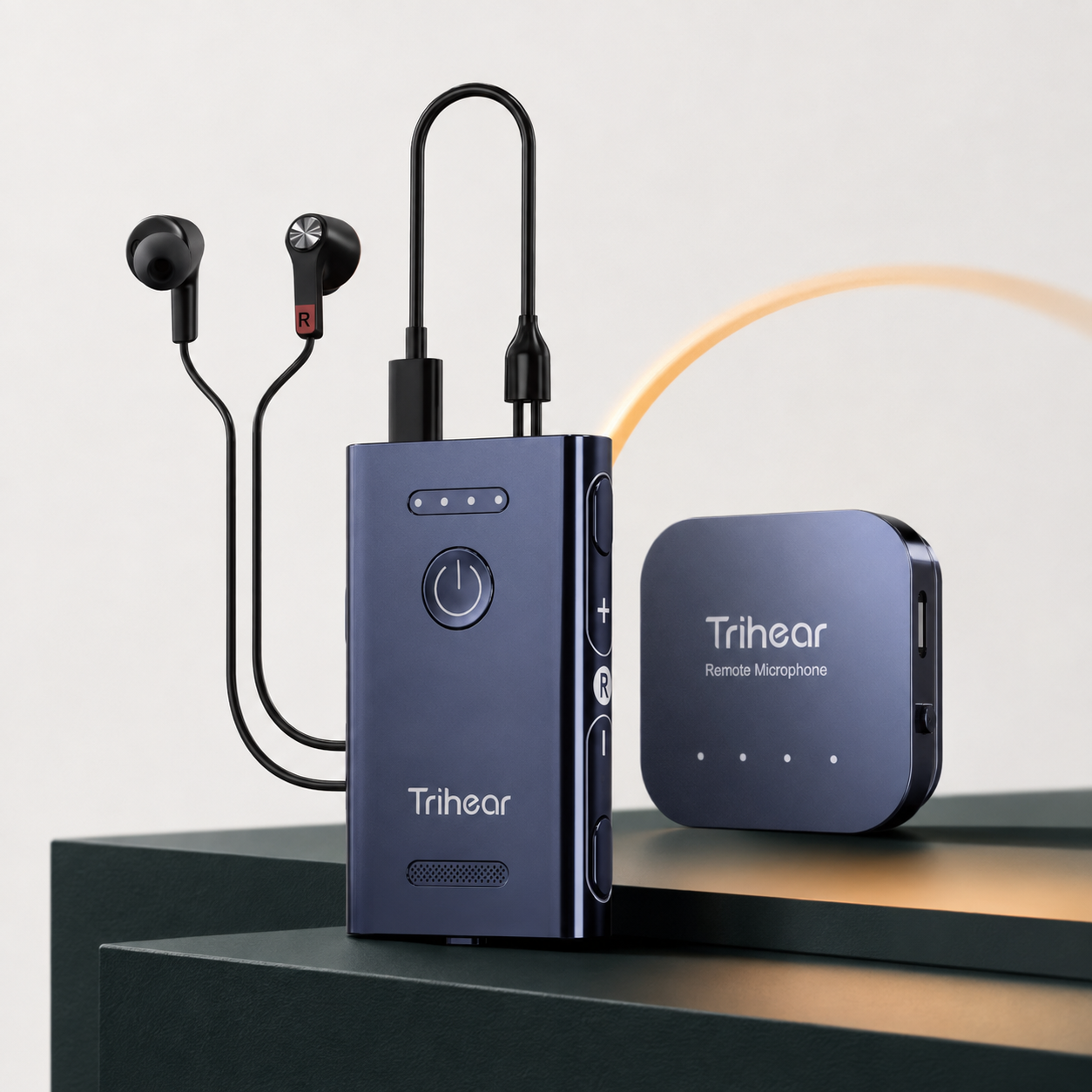
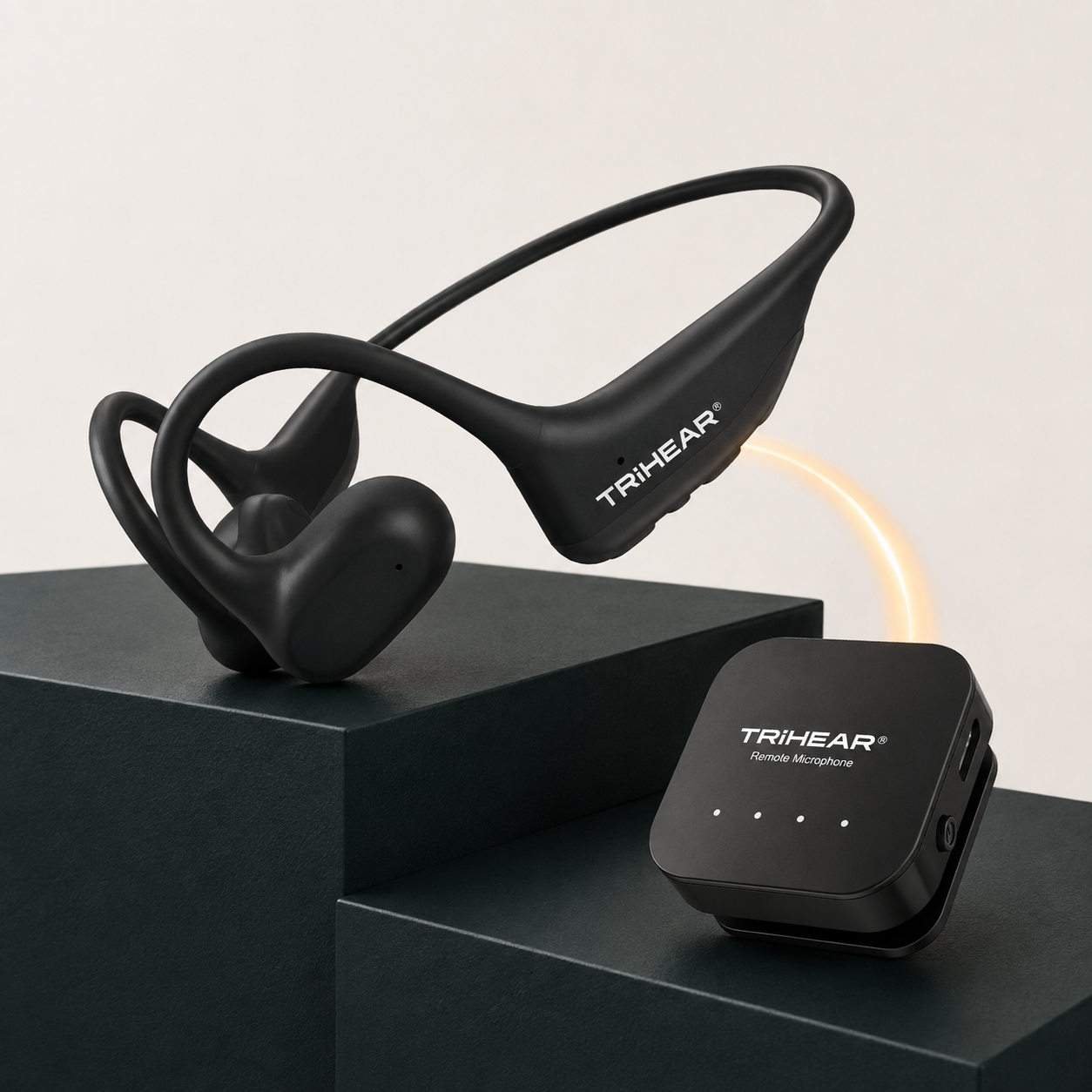
Remote microphones capture a speaker's voice closer to its source and transmit the audio to compatible hearing devices. They may offer additional support when distance makes one person harder to follow.
TV Streamers
TV streamers create a more direct audio path from the television to compatible hearing devices, offering another way to access television sound.
Dedicated Personal Listening Systems
These systems use their own receiver and audio source or microphone. Depending on the design, they can provide targeted listening support without relying on an existing hearing aid.
Assistive listening devices may complement hearing aids or help with particular listening activities. However, they should not be treated as substitutes for a recommended medical evaluation or appropriate hearing treatment.
If you would like to understand these categories in more detail, explore our previous article:
What Do Hearing Aid Accessories Actually Do?

5. Making the Next Step Easier
Knowing that you may need hearing support is one thing. Understanding where to begin is another.
You do not have to make every decision immediately after a screening.
Start by understanding your results and following any recommended referrals. If you have persistent or broader hearing concerns, arrange an appropriate professional assessment.
Before choosing a device, consider your everyday listening priorities, how comfortable you feel using the technology, whether it is compatible with any devices you already own, and what support is available if you have questions.
For example, someone who primarily struggles to hear one person across a table may have different listening needs from someone who finds television dialogue difficult to follow.
The goal is not to choose the device with the longest feature list. It is to understand which type of support addresses your individual needs.
If you experience sudden hearing loss, seek urgent medical attention rather than waiting for another routine screening.
6. Better Hearing Support Begins With Understanding
Community hearing screenings can make hearing health information more accessible by giving people an opportunity to ask questions, understand potential concerns and learn when further evaluation may be appropriate.
But the value of a screening extends beyond the event itself.
It continues when someone follows up on a referral, discusses their listening difficulties with a professional, or begins exploring suitable support for their everyday life.
A hearing screening is not the end of the process.
It can be the beginning of a more informed approach to hearing health—and a practical first step toward staying connected to the conversations and experiences that matter.
Explore Listening Support for Everyday Life
Understanding your hearing needs is the first step. Explore how different listening technologies work and which everyday situations they are designed to support.
Learn About Hearing Accessories →
Explore Trihear Listening Solutions →
For questions about your screening results or personal hearing needs, consult a qualified hearing health professional.



Leave a comment
This site is protected by hCaptcha and the hCaptcha Privacy Policy and Terms of Service apply.