


“I can still hear. I just miss things sometimes.”
For many people, hearing difficulty does not begin as a dramatic change.
It may show up quietly:
asking someone to repeat a sentence, turning the television up a little more, missing part of a group conversation, or finding it harder to follow a speaker in a noisy restaurant.
Because the difficulty can feel occasional at first, it is easy to put off doing anything about it.
But delay is not always about denial.
For some people, the decision to use hearing support can involve questions about identity, cost, complexity, comfort, and uncertainty about what kind of solution they actually need.
“I Can Still Hear — Just Not Everything”
One reason hearing support is often delayed is that hearing difficulty is not always consistent.
A person may hear well in a quiet room but struggle in:
- restaurants
- meetings
- family gatherings
- television listening
- conversations over distance
- fast-moving group discussions
That inconsistency can make the problem feel less urgent.
If someone can still manage one-on-one conversations at home, they may think:
“Maybe it is not serious enough yet.”
But hearing difficulty is often about specific listening situations, not simply whether sound is present or absent.
The more useful question may be:
“Where am I beginning to have difficulty following what is happening?”
Hearing Support Can Feel Like an Identity Decision

For some people, using a hearing device is not only a practical decision.
It can also feel personal.
A hearing aid or assistive listening device may be associated with getting older, being seen as different, or admitting that hearing has changed.
Some people may worry about how others will react.
Others may simply not feel ready to identify themselves as someone who “needs” hearing support.
These feelings are often described as part of hearing aid stigma.
Not everyone experiences hearing support this way. But for some people, the emotional meaning attached to a device can become just as important as the technology itself.
This is one reason discreet design, comfortable wearing, and products that fit naturally into everyday routines can matter.
Complexity Can Become a Barrier of Its Own

Modern hearing technology offers more functions than ever.
That can be useful — but it can also create another problem.
Bluetooth.
Apps.
Pairing.
Charging.
Modes.
Firmware.
Compatibility.
For someone who simply wants to follow a conversation more easily, this can feel like a lot to manage.
Sometimes people are not rejecting hearing support itself.
They may be rejecting the idea of having another complicated device to learn, configure, and remember.
That is why simplicity can also be part of accessibility.
Physical controls, clear operation, comfortable wearing options, and fewer everyday setup steps can reduce the amount of attention the technology itself demands.
The easier a device is to fit into a routine, the more realistic it may feel as part of daily life.
Cost Is Only One Part of the Decision
Price is another obvious barrier.
Hearing technology can represent a significant investment, particularly when professional fitting, follow-up care, accessories, or replacement devices are involved.
But cost is often connected to a second concern:
What if I spend the money and choose the wrong thing?
People may wonder:
- Will this actually help in the situations where I struggle?
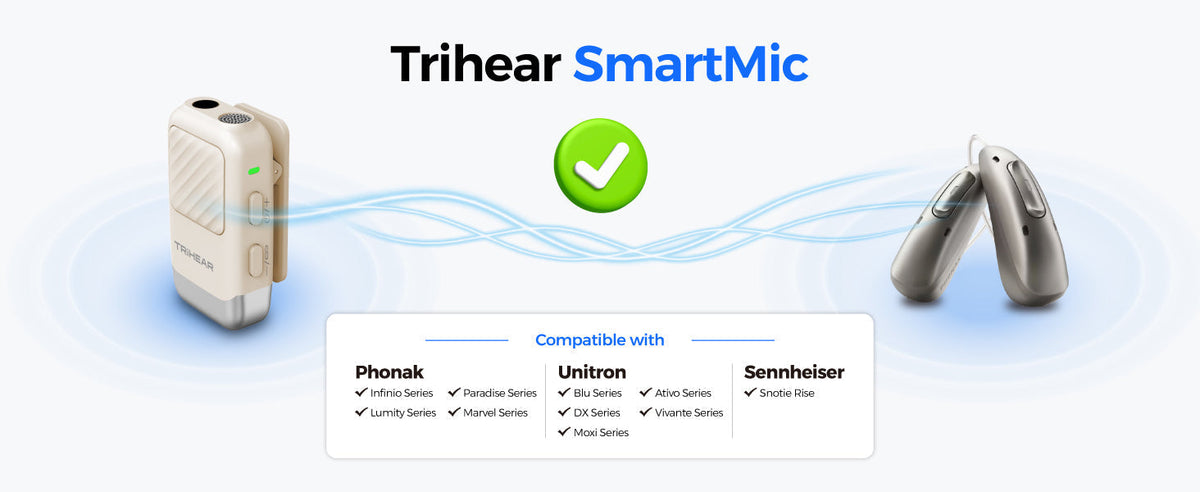
- Is it compatible with the devices I already use?
- Will I find it comfortable?
- Will it be too complicated?
- What if I buy it and still cannot follow conversations?
- What kind of return or support is available if it is not right for me?
This uncertainty can make people hesitate even when they already know that listening has become more difficult.
In other words, the barrier is not always simply affordability.
Sometimes it is decision confidence.
Different Listening Problems May Need Different Support

Another source of hesitation is that “hearing support” can sound like one large category.
In reality, different listening problems may call for different types of support.
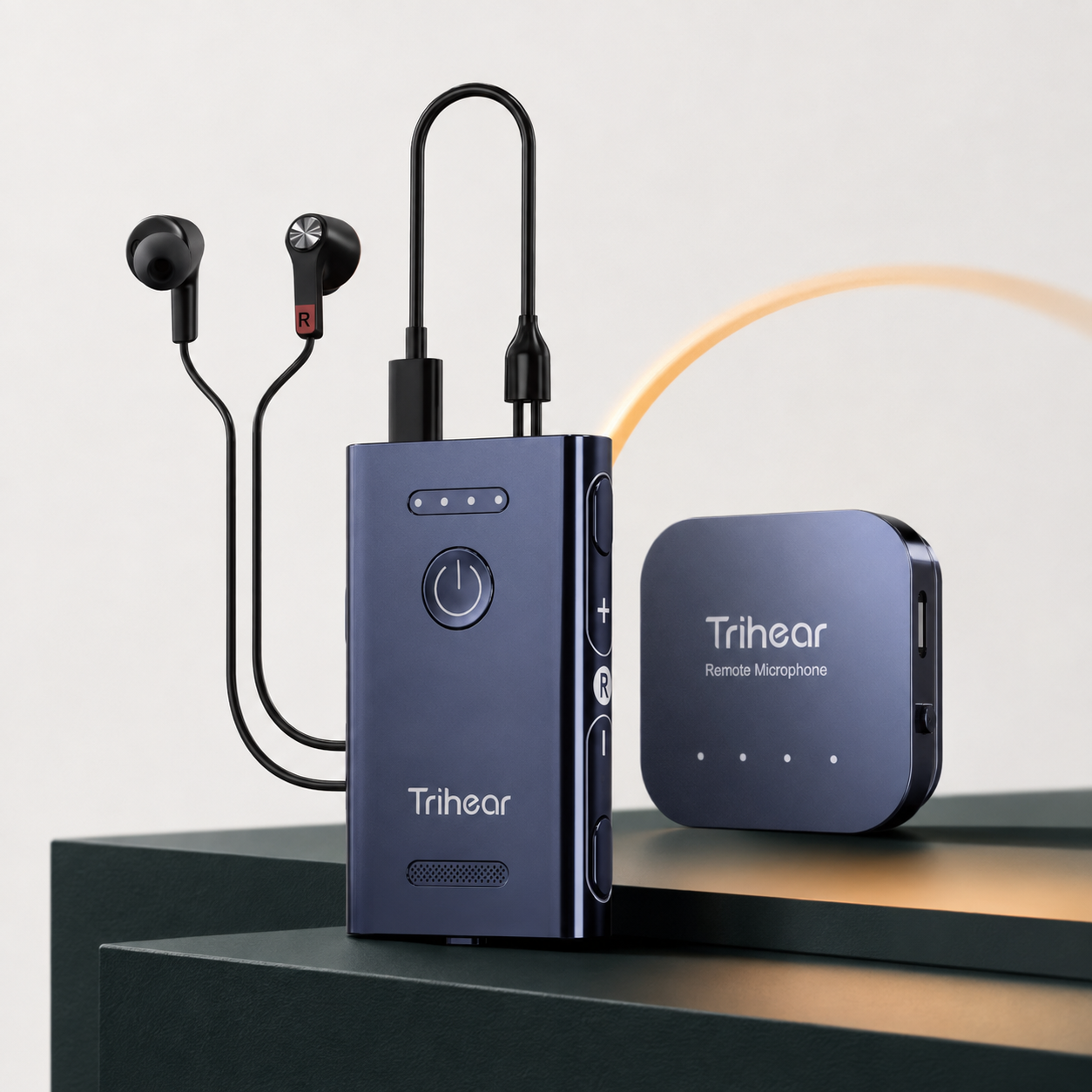
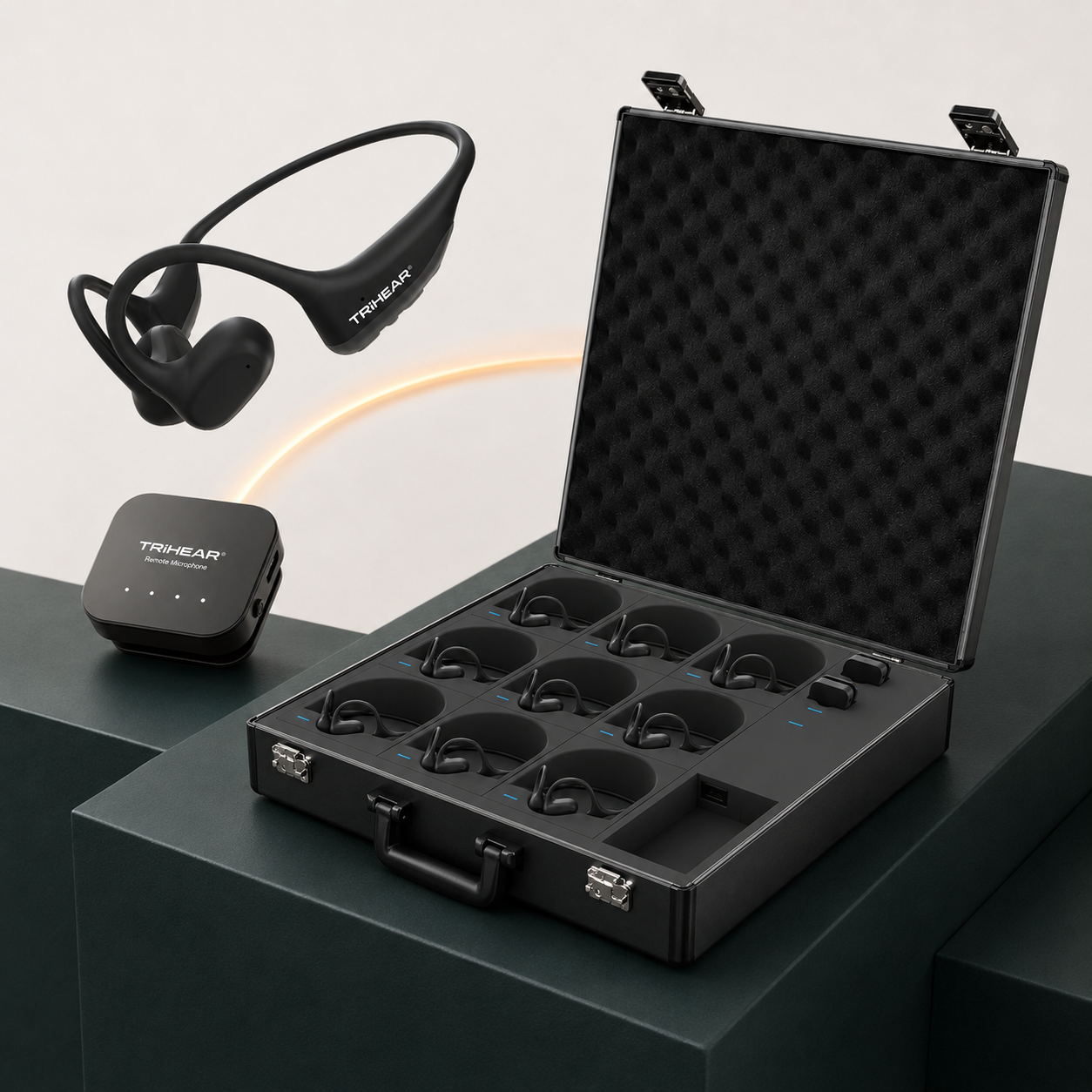
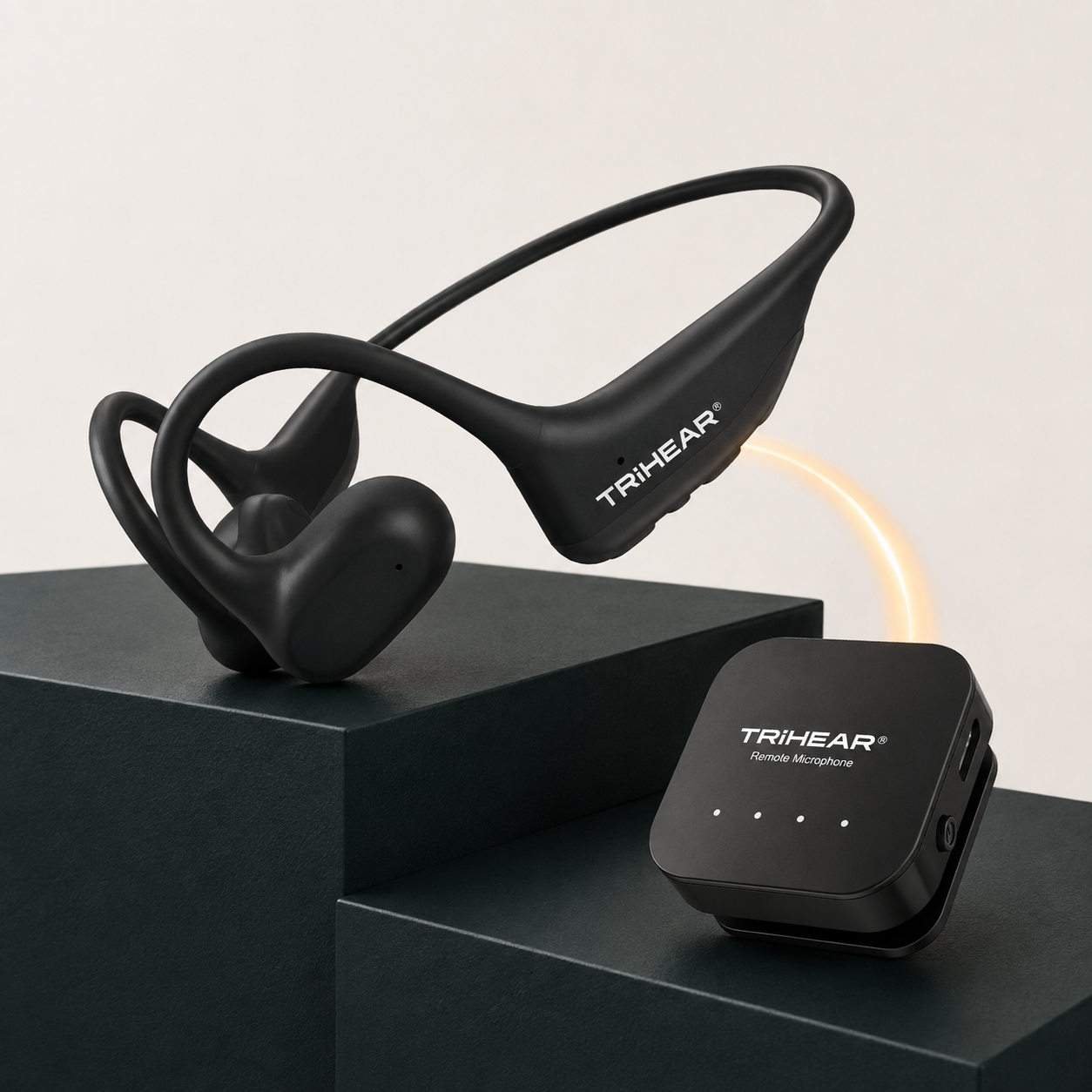
If the main difficulty is one speaker at a distance, a remote microphone may help by capturing that person’s voice closer to the source.
If television listening is the challenge, a TV streamer may create a more direct audio path.
If someone wants a separate, straightforward personal listening setup, a dedicated listening system may be another option.
And when someone is experiencing broader or persistent hearing concerns, a professional hearing assessment can help clarify what kind of support may be appropriate.
The important point is that the first question does not always need to be:
“Which device should I buy?”
It can be:
“What listening situation am I actually trying to improve?”
For a broader look at how different hearing accessories work, see:
What Do Hearing Aid Accessories Actually Do? Remote Microphones, TV Streamers and More https://trihear.com/blogs/trihear-blog/what-do-hearing-aid-accessories-do
The First Step Does Not Have to Be a Purchase
Starting to think about hearing support does not mean someone has to immediately choose a device.
The first step can be much smaller.
Notice where conversations are becoming harder.
Pay attention to whether the difficulty happens mostly with distance, television, background noise, or group discussion.
Learn what different solutions are designed to do.
Check compatibility before buying.
And think about what kind of technology would realistically fit into everyday routines.
For some people, the right solution may be a professionally fitted hearing aid.
For others, a specific assistive listening device may help with a particular situation.
What matters is understanding the problem before adding more technology.
Making Hearing Support Easier to Consider
People may delay hearing support for many different reasons.
For some, it is stigma.
For others, cost.
For others, the technology feels too complicated, or the number of choices makes it difficult to know where to begin.
Reducing those barriers is not only about making devices more advanced.
It is also about making hearing support easier to understand, easier to access, and easier to live with.
Because the best hearing solution is not simply the one with the longest feature list.
It is the one that fits the person, the listening situation, and everyday life.
Find the Right Support for the Situation
Not sure what different hearing accessories are designed to do?
Explore our guide to remote microphones, TV streamers, and personal listening systems:
Learn more about hearing aid accessories → https://trihear.com/blogs/trihear-blog/what-do-hearing-aid-accessories-do
Explore TRIHEAR listening solutions → https://trihear.com/collections/all

Leave a comment
This site is protected by hCaptcha and the hCaptcha Privacy Policy and Terms of Service apply.