

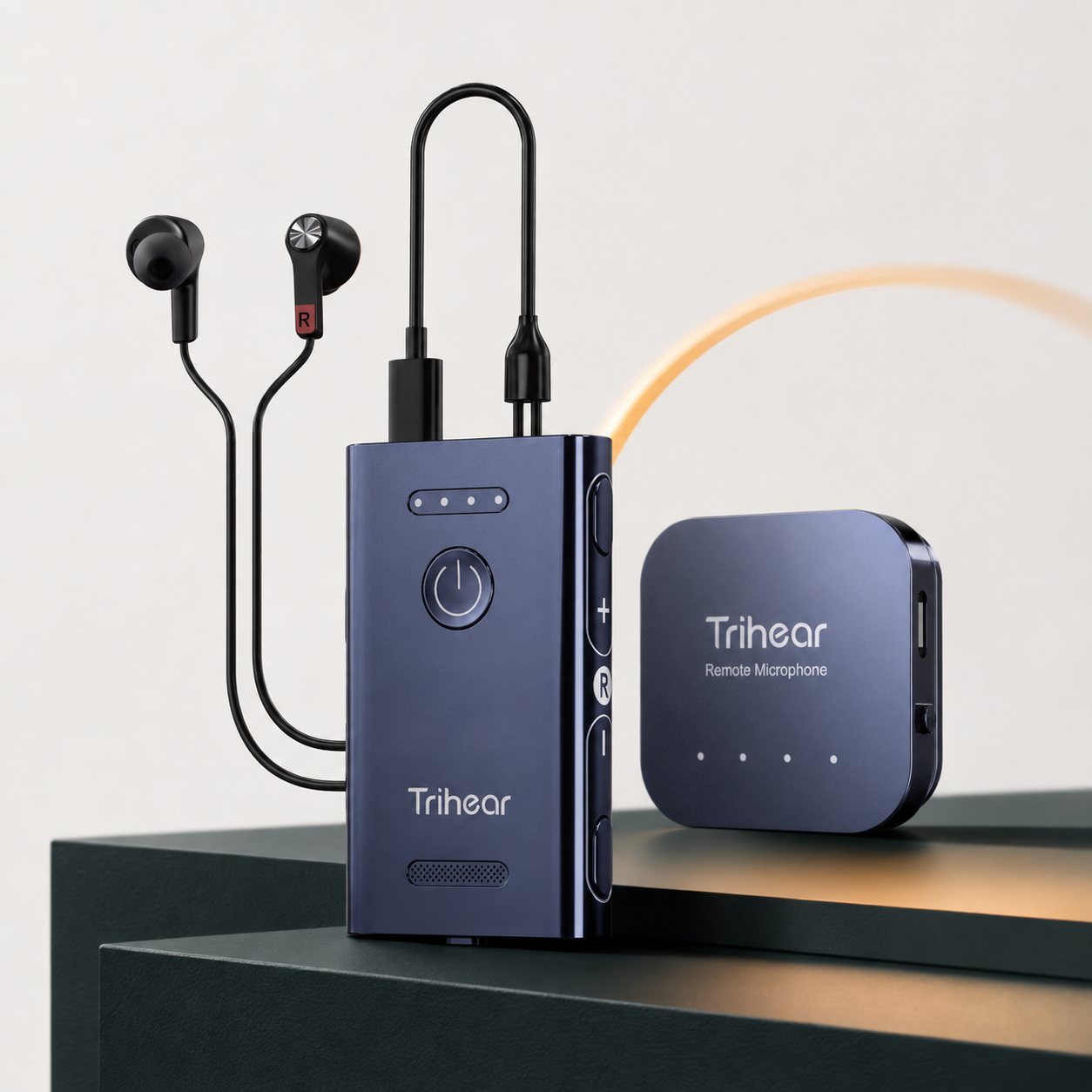

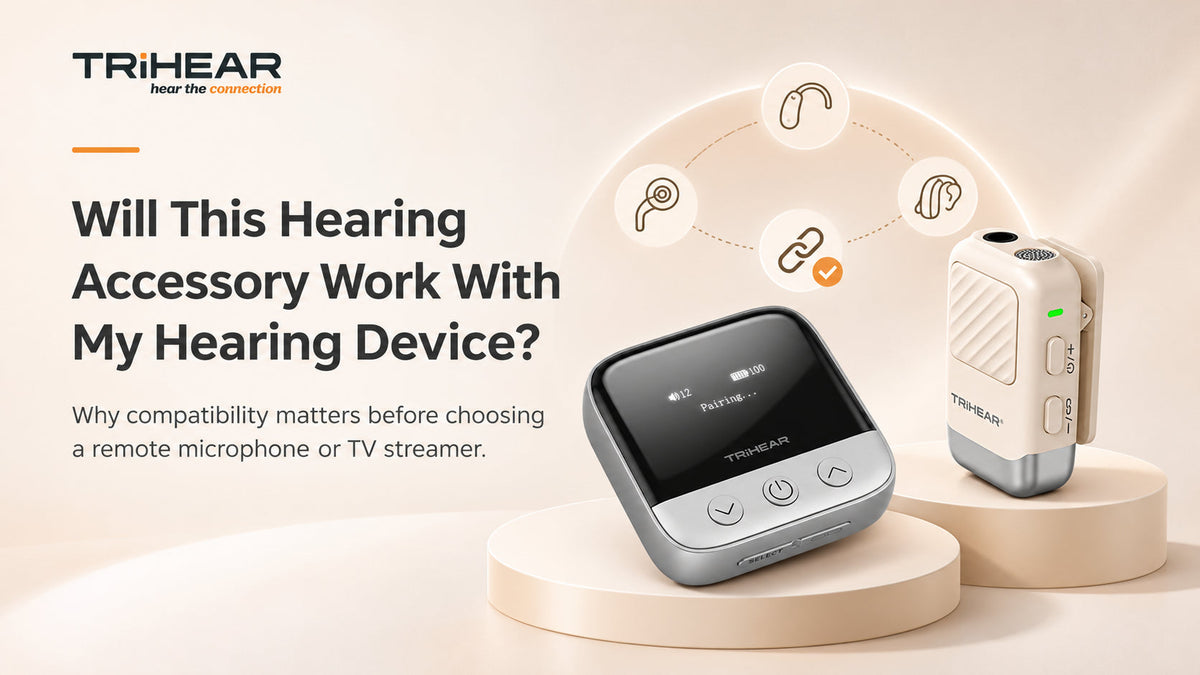
Why compatibility matters before choosing a remote microphone or TV streamer
When people look for a hearing accessory, the first question is often about features.
Can it bring a speaker’s voice closer?
Can it stream TV audio?
Can it help in meetings, classrooms or family conversations?
But there is another question that matters just as much:
Will it actually work with the hearing device I already use?
For remote microphones, TV streamers and other wireless listening accessories, compatibility is not a small technical detail. It is part of whether the product is useful at all.
Bluetooth Does Not Automatically Mean Compatible
It is easy to assume that two Bluetooth-enabled devices should work together.
In reality, hearing technology can use different wireless protocols, Bluetooth generations and connection methods.
Two products may both mention Bluetooth but still communicate in different ways.
Compatibility can depend on factors such as:
- the exact hearing device model
- the wireless protocol it supports
- the product generation
- firmware or software version
- whether an additional receiver or accessory is required
This is why checking only the word “Bluetooth” on a specification sheet is usually not enough.
Start With the Hearing Device You Already Use
For many listeners, the goal is not to replace their current hearing device.
They may already use hearing aids, a cochlear implant sound processor or another personal listening system that works well for them.
What they are looking for is something that can solve a specific additional problem.
For example:
A listener may hear well in quiet environments but struggle when the person speaking is several meters away.
Another person may want to hear television audio more clearly without increasing the room volume for everyone else.
In these situations, an accessory such as a remote microphone or TV streamer can become useful — but only when it can fit into the listener’s existing setup.
Recently, a customer contacted TRIHEAR about this exact issue.
His mother uses an Advanced Bionics Naída CI M90 cochlear implant sound processor, and he wanted to know whether a remote microphone could connect to her existing processor without requiring another external receiver.
The question itself highlights an important point:
people are often not looking for more devices. They are looking for solutions that can work with the hearing technology they already rely on.
Remote Microphones Solve a Different Problem From Hearing Devices
A remote microphone does not replace a hearing aid or cochlear implant.
Instead, it changes where the speaker’s voice is captured.
Imagine sitting across a long table.
The listener’s hearing device is near their ears, but the person speaking may be several feet away. Between the speaker and listener there may also be background conversation, room noise and distance.
A remote microphone can be placed closer to the person speaking.
This creates a more direct path for the voice before it reaches the listener’s compatible hearing device.
The benefit therefore comes not simply from making sound louder, but from capturing important speech closer to its source.
This is why remote microphone compatibility matters so much.
If the microphone cannot communicate with the listener’s hearing system, the listening benefit cannot happen.
TV Streamers Have the Same Compatibility Question
The same principle applies to television and media listening.
A TV streamer may take audio directly from a television or another connected audio source and transmit it wirelessly.
But again, the receiving device must support the appropriate wireless technology.
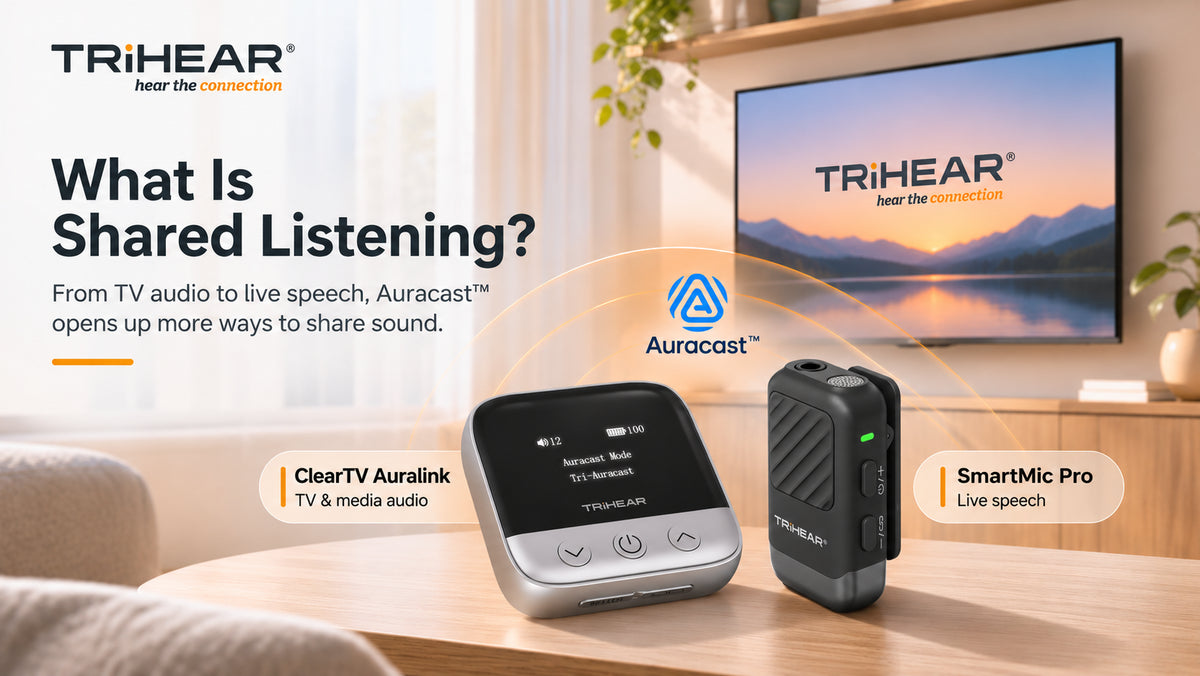
This is becoming especially relevant as newer standards such as Bluetooth LE Audio and Auracast™ expand the number of ways audio can be shared.
Even then, users should still check the specific capabilities of their hearing device rather than assuming every product using the same general technology will automatically work together.
What Should You Check Before Choosing a Hearing Accessory?
Before purchasing a remote microphone, TV streamer or similar listening accessory, it helps to confirm four things.
1. The exact model of your hearing device
Small differences between product generations can affect wireless compatibility.
Knowing the full model name is much more useful than simply saying “Phonak hearing aid” or “Advanced Bionics processor.”
2. The wireless technology it supports
Check whether the device uses Classic Bluetooth, Bluetooth LE Audio, Auracast or another manufacturer-specific wireless protocol.
3. Whether an additional receiver is required
Some accessories can communicate directly with compatible hearing devices.
Others may require an additional receiver, neckloop or intermediary accessory.
4. Firmware and setup requirements
Compatibility can sometimes depend on firmware version, device configuration or pairing settings.
If the information is unclear, it is worth confirming compatibility before purchasing.
Compatibility Is Part of Usability
A hearing accessory can have excellent features on paper.
But if users need complicated workarounds, additional hardware or an entirely different hearing system to use it, those features may not solve their real problem.
Good listening technology should start with a simple question:
What does the listener already use, and how can we make that setup more useful?
That is why compatibility should not be treated as an afterthought.
It is part of product usability.
And for many listeners, the right accessory is not the one with the longest feature list.
It is the one that fits naturally into the hearing ecosystem they already have.
Explore TRIHEAR Listening Accessories
Looking for a remote microphone or TV listening solution?
Trihear SmartMic
https://trihear.com/products/trihear-smartmic
Trihear ClearTV
https://trihear.com/products/trihear-cleartv

发表评论
此站点受 hCaptcha 保护,并且 hCaptcha 隐私政策和服务条款适用。